
advanced diagnostic tools

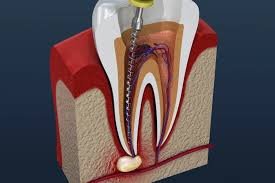
A root canal is a highly effective procedure used to treat infected or severely decayed teeth, preventing the need for extraction. The pulp inside the tooth contains nerves and blood vessels, which can become infected due to deep cavities, cracks, or trauma. If left untreated, this can cause severe pain, swelling, and even tooth loss.

Steps Involved in a Root Canal:

  • Diagnosis & X-Ray
  • Numbing the Tooth
  • Cleaning & Removing the Infected Pulp
  • Filling & Sealing the Tooth

Frequently Asked Questions

A root canal is a dental procedure that removes infected or damaged pulp (nerves and blood vessels) from inside the tooth to save it from extraction. The cleaned space is then sealed to prevent further infection.

Root canal treatment is required when the pulp inside the tooth becomes inflamed or infected due to deep decay, repeated dental procedures, cracks, trauma, or gum disease. If left untreated, it can cause severe pain, swelling, and even tooth loss.

You may need a root canal if you experience:

  • ✔Severe tooth pain while chewing or biting
  • ✔ Sensitivity to hot and cold that lingers
  • ✔ Swollen or tender gums near the affected tooth
  • ✔ Darkening or discoloration of the tooth
  • ✔ A persistent pimple on the gums (abscess formation)

No, a root canal is not painful. Modern dentistry uses local anesthesia, making the procedure as comfortable as getting a dental filling. Patients often feel immediate relief from pain after the infected pulp is removed.

A root canal typically requires one to two visits, depending on the severity of the infection. Each session can last 45 minutes to 1.5 hours.